Why Honey Oil for Vaping Is Worth Your Attention
There is a persistent myth in the cannabis world that you need a full dab rig and a torch to enjoy concentrates properly. That assumption has kept a lot of people from exploring products like honey oil, which is among the most flavorful and potent forms of cannabis concentrate you can find. Over the past few years, the rise of portable vape pens and compact atomizers has changed the game. Suddenly, a substance that once felt like a specialist's tool is accessible to anyone with a 510 thread battery and a decent ceramic coil. Honey oil for vaping is not a compromise. It is a legitimate choice that delivers clean vapor, intense flavor, and a controlled experience.
I first tried honey oil out of curiosity after a friend raved about the terpene profile of a specific live resin batch. At the time, I was comfortable with flower and occasional dabbing, but the idea of vaping a semi-liquid concentrate felt unfamiliar. That first session with a quartz atomizer and a variable-voltage battery changed my perspective. The vapor was smooth, the flavor was far more expressive than anything I had coaxed from dried plant material, and the effects came on quickly without the harshness I sometimes got from a dab rig. Since then, I have come to appreciate honey oil for vaping as a category worth understanding on its own terms.
What Honey Oil Actually Is
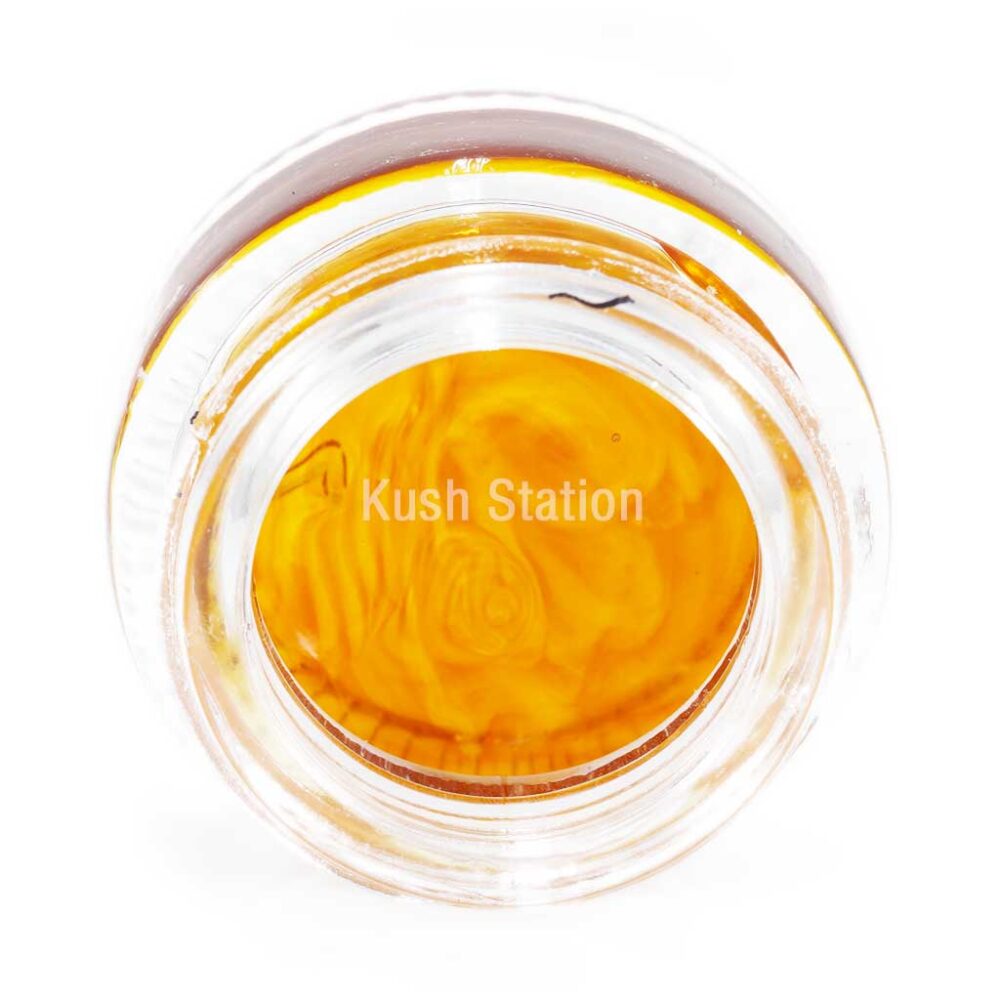
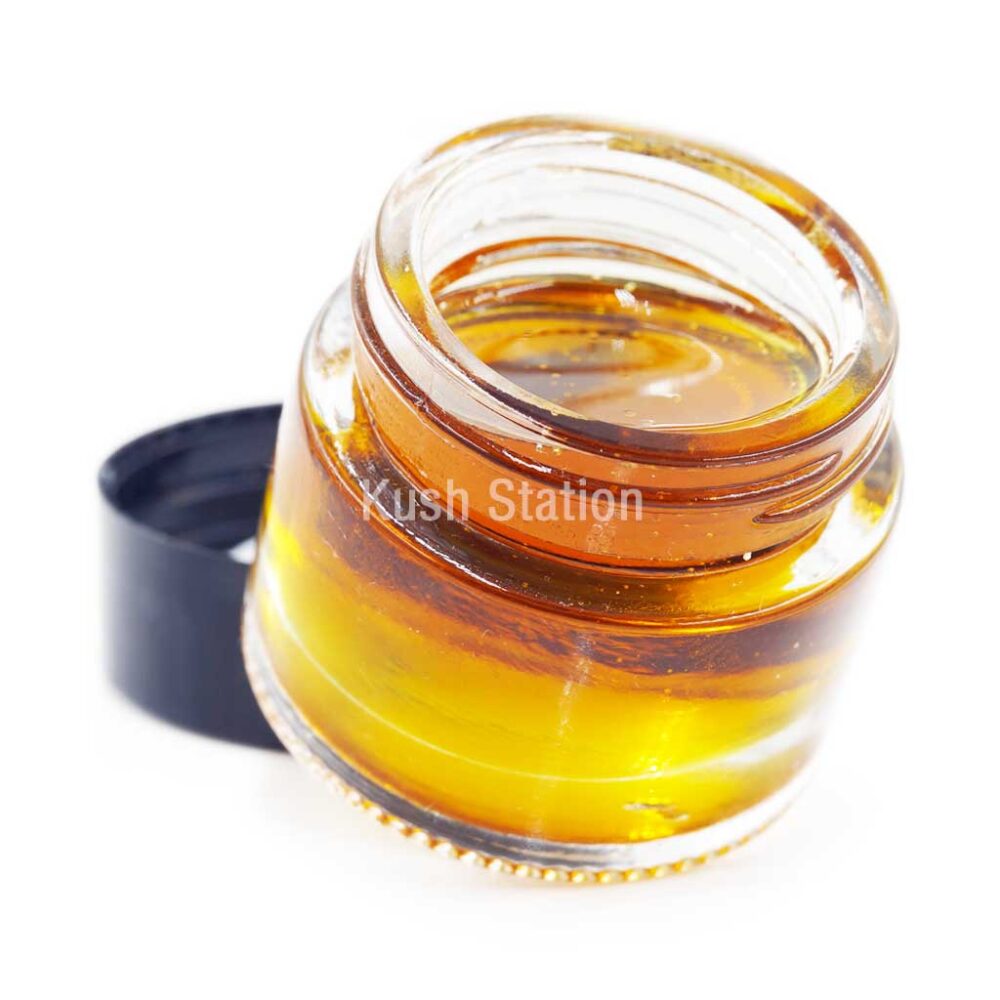
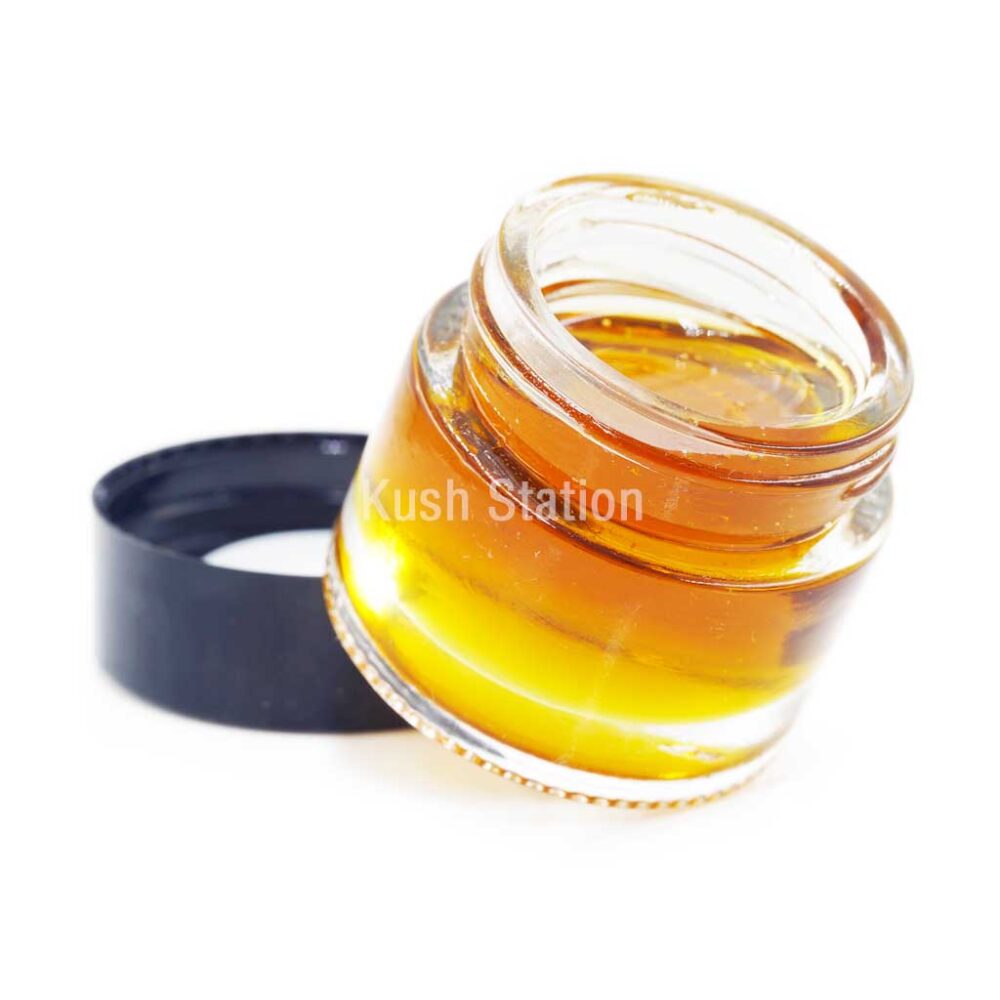
Honey oil sits in a space between traditional extracts. It is neither a brittle solid like many solvent-based concentrates nor a runny liquid like some distillates. It has a thick, viscous consistency that looks like amber honey, hence the name. Most honey oil is produced through a solventless extraction process, often using ice water and agitation, which preserves a broader spectrum of cannabinoids and terpenes compared to methods that rely on butane or CO2. The result is a cannabis concentrate that retains the character of the original plant material, with a flavor profile that can vary dramatically depending on whether the source is an Indica, Sativa, or hybrid strain.
Because honey oil is not subjected to aggressive chemical refinement, it tends to contain a more balanced ratio of THC to other cannabinoids like CBD. This matters for the vaping experience. When you heat honey oil in a ceramic coil or quartz atomizer, you release not only THC but also the accompanying minor cannabinoids and volatile terpenes that shape the overall effect. Many users report that honey oil provides a more rounded high compared to isolates or high-potency distillates that have been stripped of their ancillary compounds. Lab testing of honey oil products from reputable sources, including brands sold through KushStation, often confirms this broader cannabinoid profile.
Why Vaping Works So Well
Vaping honey oil differs from dabbing in two important ways: temperature control and vapor path. A dab rig relies on a heated nail, typically at temperatures above 400 degrees Fahrenheit, to vaporize the concentrate almost instantly. That method can produce large clouds, but it also risks destroying delicate terpenes and creating byproducts that irritate the throat. A vape pen with a ceramic coil or quartz atomizer, paired with a 510 thread battery that offers adjustable voltage, lets you dial in a lower temperature range. At around 350 to 380 degrees, honey oil for vaping vaporizes smoothly without combustion. The flavor is brighter, the vapor is cooler, and the experience feels more measured.
I have tested this side by side with the same batch of live resin honey oil. On a dab rig at 450 degrees, the first hit was intense and slightly harsh. Using a vape pen with a quartz atomizer at 3.7 volts, the same concentrate produced a gentle, flavorful vapor that lasted through several pulls. The difference was not subtle. For someone who values flavor and wants to avoid the ritual of torching a nail, a vape pen is a practical alternative. It also makes honey oil more portable. You can load a small amount into a ceramic coil, screw the atomizer onto a 510 thread battery, and have a session anywhere without drawing attention.
Choosing the Right Hardware
Not every vape pen handles honey oil well. The viscosity of the concentrate means you need an atomizer designed for thick oils. A quartz atomizer with a large intake hole works better than a standard wick-based system, which can clog. Ceramic coils are a good choice because they heat evenly and do not impart a metallic taste. Some dedicated concentrate pens come with adjustable airflow, which helps you dial in the draw resistance. A 510 thread battery with variable voltage gives you control over the temperature, which is important because different strains of honey oil vaporize at slightly different temperatures.
If you already own a box mod or a standard 510 thread battery, you can often find a compatible quartz atomizer for under 30 dollars. That makes the entry cost for trying honey oil surprisingly low. I recommend starting with a small amount, about the size of a grain of rice, and experimenting with voltage settings. Too high a voltage can scorch the oil and ruin the flavor. Too low, and you will get thin vapor and wasted material. The sweet spot varies by device, but most people find it between 3.4 and 3.8 volts.
Strains and Flavor Profiles
One of the pleasures of honey oil is how faithfully it expresses the source strain. An Indica honey oil from a heavy landrace like Hindu Kush will have earthy, piney notes with a sedating effect. A Sativa honey oil from a citrus-forward strain like Super Lemon Haze will taste bright and zesty, with a more stimulating experience. Hybrid strains offer a middle ground, often balancing sweetness with spice. Because honey oil preserves terpenes so well, the flavor profile can be remarkably complex. I have sampled a batch of live resin honey oil from a small producer that tasted almost floral, with hints of lavender and black pepper that I had never noticed in the flower version.
Lab testing plays a key role here. When you buy honey oil from a source that publishes potency and terpene data, you can choose a product that matches your preferences. Some people want high THC content for a strong psychoactive effect. Others value a more balanced ratio with noticeable CBD content for a calmer experience. The transparency of lab testing also ensures that the product is free of residual solvents and contaminants. KushStation, for example, provides lab-tested honey oil concentrates with clear information about strain type and potency, which removes the guesswork.
Practical Tips for Getting the Most Out of Your Oil
- Store honey oil in a cool, dark place. Heat and light degrade cannabinoids and terpenes over time. A small glass jar with an airtight seal works well.
- Use a metal dab tool to transfer the oil. The viscosity makes it sticky, and a dedicated tool keeps your fingers clean and prevents waste.
- Clean your atomizer regularly. Honey oil leaves a residue that can build up and affect flavor. Soaking the ceramic coil in isopropyl alcohol every few sessions keeps it fresh.
- Start with a low dose. Honey oil is more concentrated than flower, and the effects can be stronger than expected, especially if you are new to cannabis concentrates.
- Experiment with different strains. The difference between an Indica and a Sativa honey oil is pronounced, and trying a few options helps you find what suits your needs.
Comparing Honey Oil to Other Concentrates
Honey oil is sometimes confused with distillate or live resin, but they are not the same. Distillate is typically produced through a short-path distillation process that yields a very pure, often flavor-neutral oil. Live resin is made from fresh-frozen plant material and is prized for its intense terpene expression. Honey oil falls somewhere in between. It retains more flavor than most distillates but is less volatile than live resin, which can be tricky to handle because it is so sticky. For vaping, honey oil strikes a practical balance: it flows easily into a ceramic coil without being too runny, and it vaporizes cleanly without leaving excessive residue.
I have tried dabbing live resin on a quartz banger and vaping honey oil from a portable pen. Each has its place. Dabbing gives you a massive hit in one go, which some people prefer for its intensity. But for everyday use, especially if you want to enjoy the flavor over several minutes, honey oil for vaping is the better choice. It is also more discreet. A vape pen loaded with honey oil looks like any other nicotine device, and the vapor dissipates quickly without leaving a heavy cannabis odor.
Final Thoughts on Making the Switch
If you have been smoking flower or using disposable vape cartridges, honey oil is a natural next step. It offers a purer, more flavorful experience that respects the plant's chemistry. The combination of a high-quality cannabis concentrate, a reliable vape pen with a ceramic coil or quartz atomizer, and a 510 thread battery gives you a setup that is both portable and powerful. And because honey oil is typically lab-tested for potency and purity, you can trust what you are putting into your body. Sites like KushStation have made these products easier to find, but the real education comes from trying it yourself and paying attention to how different strains and temperatures affect your session.
Honey oil for vaping is not a trend. It is a practical, flavorful, and effective way to consume cannabis concentrates that deserves a place in any enthusiast's rotation. Whether you are a seasoned dabber or someone curious about concentrates, the shift to vaping honey oil is one small change that can make a big difference in how you experience cannabis.